Wake method
Sunrise alarm clocks
Compare a complete clock with a light-only system.
Open the guide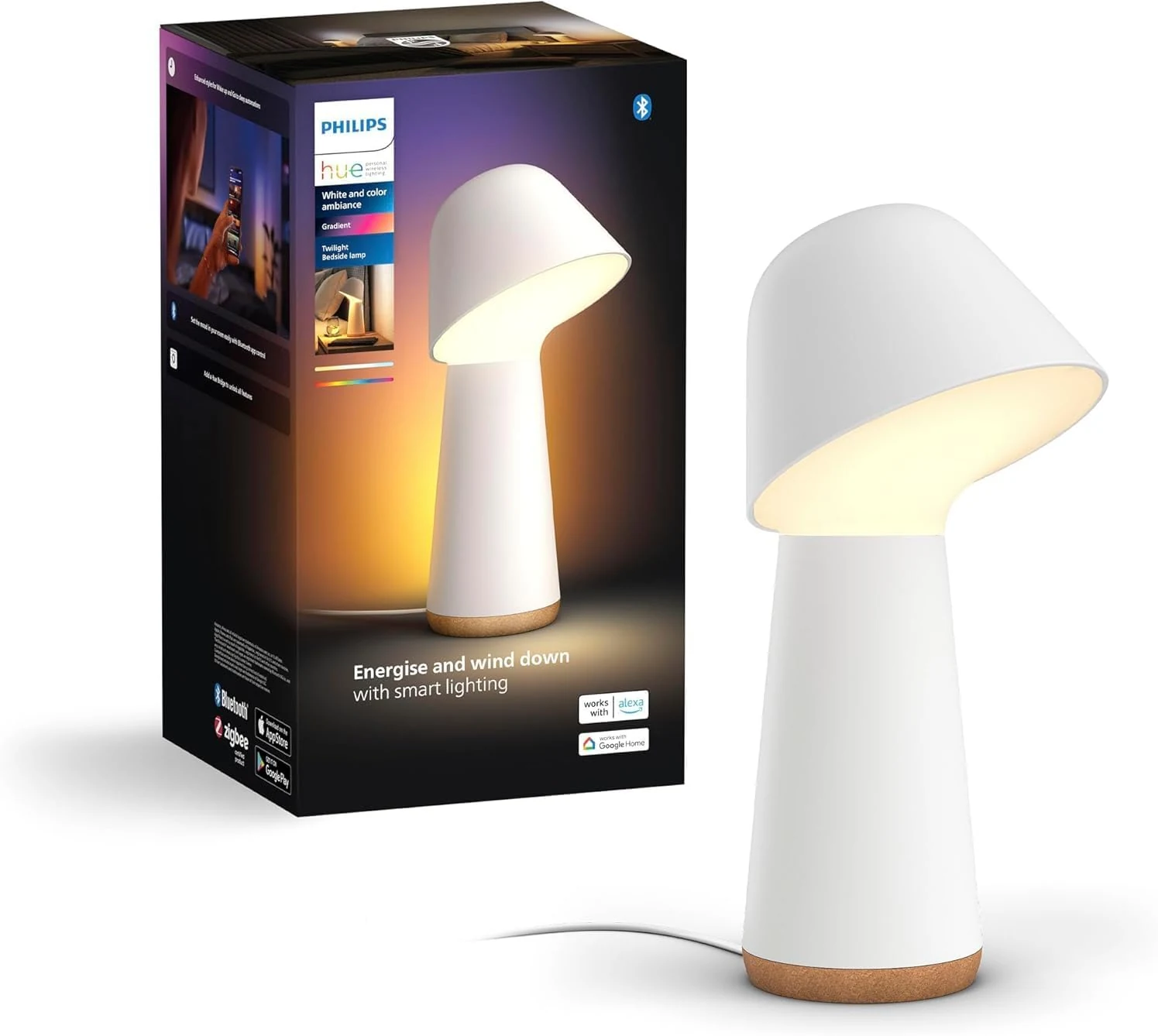
Smart Bedside Lamp Review
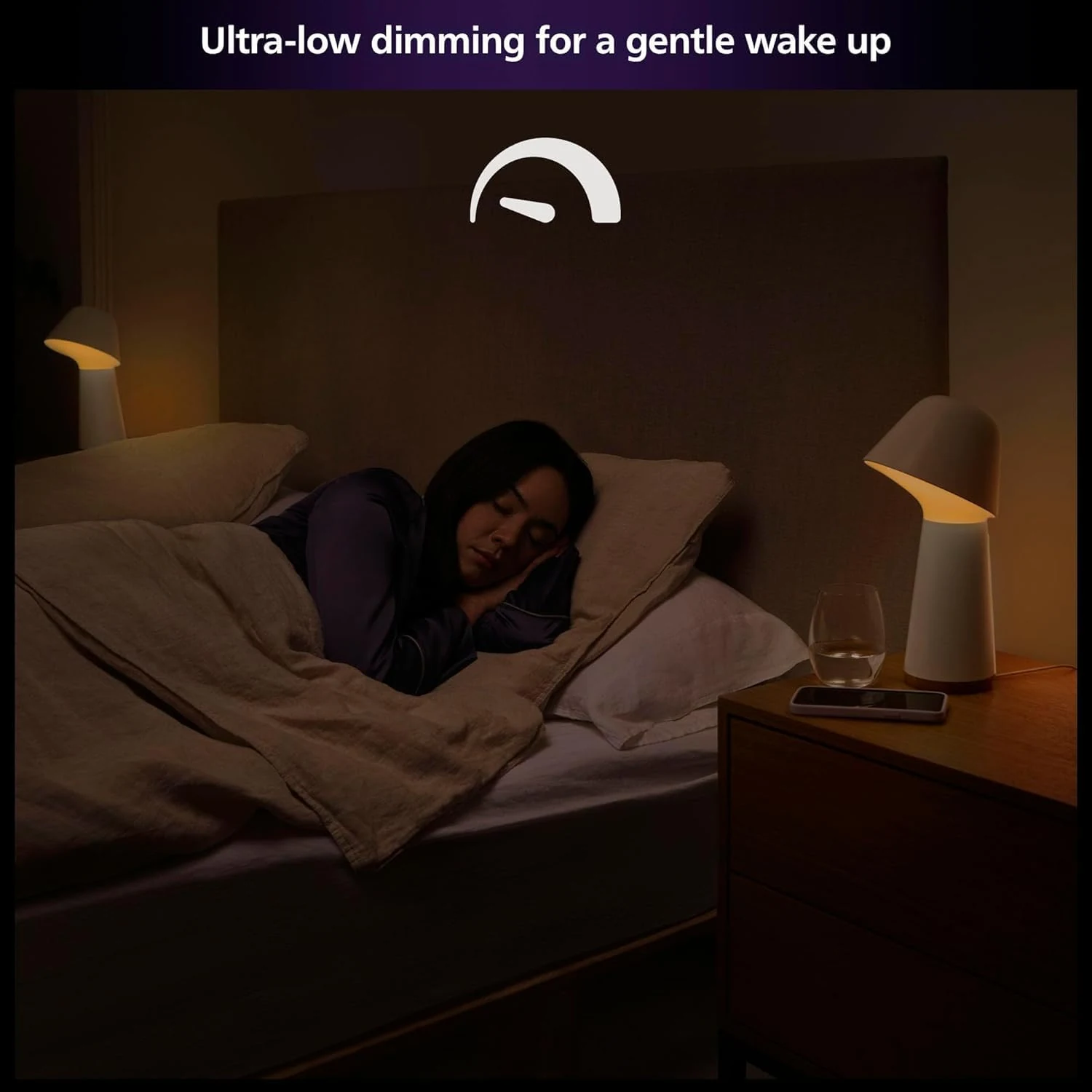
Twilight combines a pivoting front reading light with a rear ColorCast gradient, ultra-low dimming and Hue sleep/wake automations—but it has no clock display or speaker.
Bottom line
Choose it when premium bedroom lighting and Hue automations are the goal. Skip it when one purchase must show time, sound an alarm, snooze and keep working without an ecosystem.
Independent desk-researched review based on the current product listing, manufacturer material where available, official imagery and linked documentation. No hands-on or laboratory claim is implied.
Direct product link
Philips Hue TwilightConfirm the exact ASIN, current package, seller, power accessories and return terms before ordering.Check price on AmazonCritical boundary
Twilight supplies light, not the whole alarmBudget a second wake signal and decide whether Bluetooth-only control or a Hue Bridge will own the routine.See the boundaryCompare the need
Sunrise alarm clocksCompare a complete clock with a light-only system.Open the buying guideRelated Clock Guides
A feature matters only when it solves the morning, room or accessibility problem that brought you here. These routes keep the comparison tied to that requirement.
Quick Verdict
Philips Hue Twilight is a sophisticated bedside lamp built around sleep and wake automations, not a conventional alarm clock. It combines two independently controllable light sources: a pivoting front reading light and a rear ColorCast gradient that washes the wall. The Hue app can fade those sources for bedtime and morning routines. The product does not provide a clock display, built-in speaker, radio, snooze button or battery-backed audible alarm.
That boundary should decide the purchase. Twilight is compelling when a bedroom already uses Hue or when light quality, very low dimming and physical scene buttons matter more than a self-contained clock. It is a poor one-box replacement for a sunrise alarm because a missed light routine has no internal sound safety net. A phone, speaker, watch, shaker or separate alarm clock still has to own the final wake signal for anyone who cannot rely on light alone.
Signify publishes up to 1,380 lumens at 4000 K, a 2,000–6,500 K tunable-white range, Bluetooth and Zigbee connectivity, ultra-low dimming and dual RGBW light sources. Those numbers describe a capable lamp; they do not predict how much morning light reaches closed eyes. Wall distance, paint color, direction of the front head and normal sleeping position shape the result.
Choose Twilight when a premium, app-programmed lighting routine should serve reading, winding down and waking. Skip it when the buyer expects visible time, a sound alarm, portable operation, inexpensive simplicity or a routine that is fully independent of software. Its best role is the light layer in a redundant morning system.
Entity Boundary
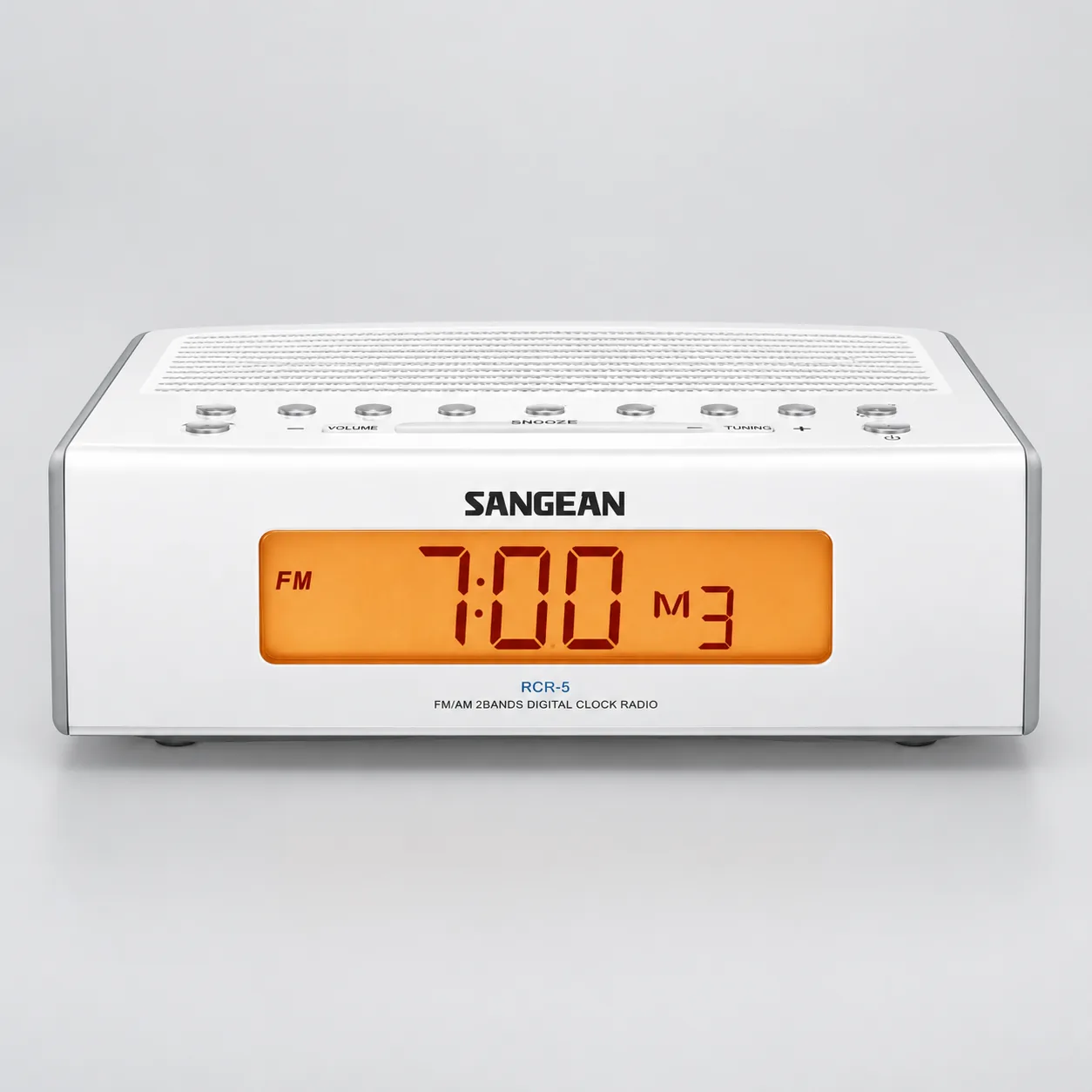
Two Philips product families appear in searches for wake-up lights. Philips SmartSleep clocks such as HF3520 and HF3650 contain a time display, alarm sounds and device-level wake controls. Philips Hue Twilight belongs to Signify’s connected-lighting ecosystem. It uses scheduled lighting to support sleep and wake routines but does not become an audio alarm clock because a retailer uses the phrase “wake-up light.”
This review covers the U.S. Twilight entity represented by Amazon ASIN B0DBXHCZFG and the official Hue product page. Finish color and regional identifiers should be checked at checkout. It should not be confused with a Hue Go portable lamp, a Signe gradient floor lamp, the discontinued Wellness fixtures or a SmartSleep Somneo clock.
The distinction prevents several bad assumptions. Bluetooth does not mean the lamp plays Bluetooth audio. The two top buttons are lighting controls, not alarm snooze keys. A Hue wake automation can start a gradual scene, but no internal speaker will rescue a sleeper who does not respond. Twilight can be the strongest lighting component of a wake system while remaining incomplete as an alarm.
This is an independent desk-researched review. It uses official Hue specifications, Signify’s launch information and the exact retail entity. It does not claim that TOPCLOCKS measured 1,380 lumens, tested every firmware state or proved a health outcome. Terms such as “support sleep” describe intended routine design, not treatment for insomnia or a circadian disorder.
Light Architecture
Twilight’s front light pivots toward a book, wall or nearby task. The rear source throws a wide gradient behind the lamp. Using them separately is more valuable than treating both as maximum brightness. During reading, the front head can illuminate a page while the rear glow remains low. During wind-down, the direct source can switch off and the wall wash can carry a warm scene. In the morning, both may participate in a brighter transition.
ColorCast is intended to blend multiple colors across the rear projection rather than paint the wall with a single flat hue. The effect depends on surface distance and color. A clean light wall produces a broader, more accurate gradient than dark textured wallpaper. If the lamp is pressed against the wall, the halo becomes tight; move it too far forward and the effect can weaken or spill into a partner’s side.
The 1,380-lumen published output at 4000 K provides substantial general lighting, yet wake usefulness is not simply maximum lumens. A gradual endpoint should be bright enough to reach the sleeper without turning the first minute into a harsh flood. Begin below maximum, preserve a warm early phase and increase only after watching several mornings. Someone who sleeps facing away from the wall may need the front head angled toward the bed.
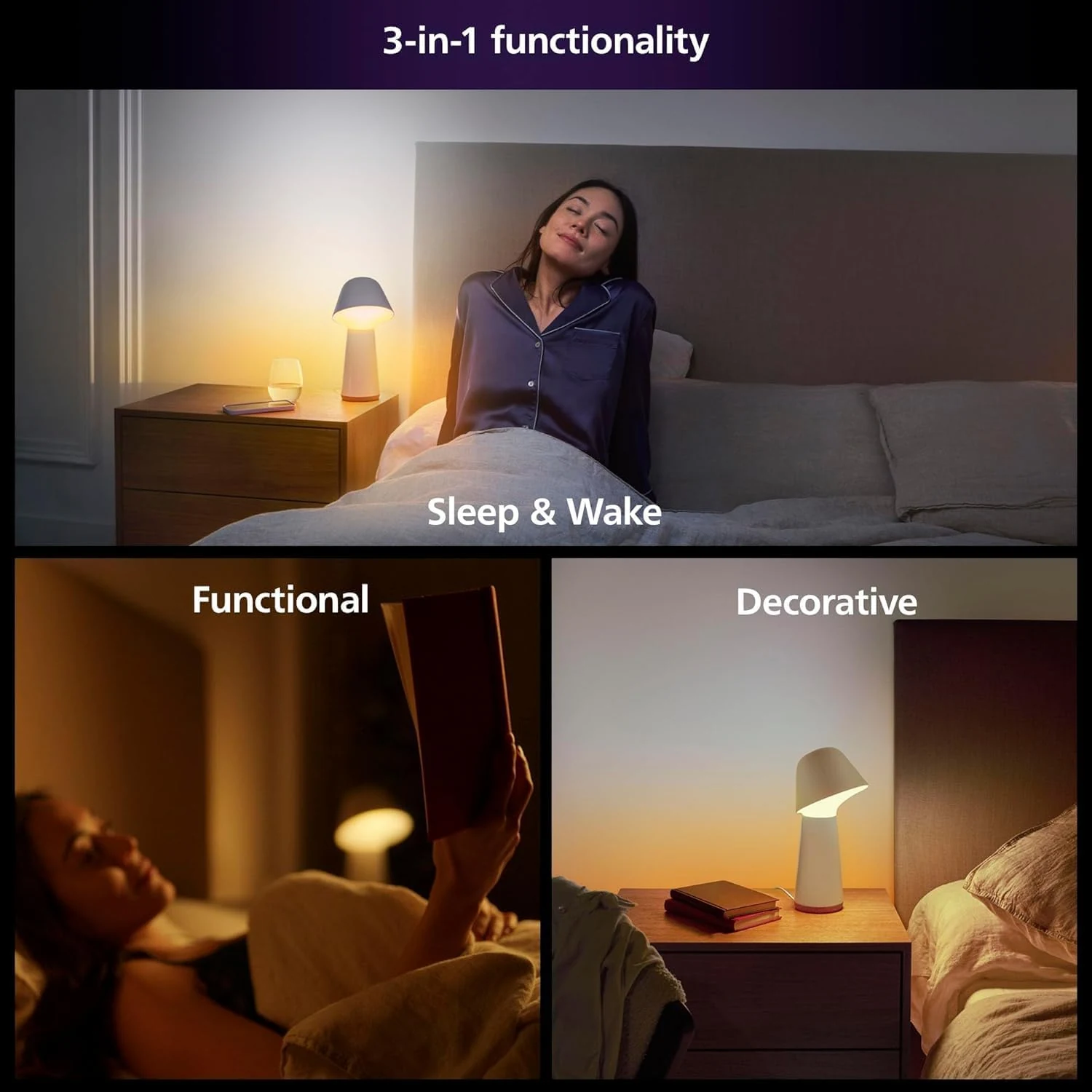
For couples, separate placement decisions matter. The shared wall wash can wake both people even if the automation belongs to one account. A narrower front-light routine may reduce spill, while a wearable or shaker can protect the earlier sleeper’s schedule. The best system is not necessarily the most colorful one; it is the one whose light reaches the right person at the right time.
Routine Design
The Hue app provides sleep and wake-up automations that can transition brightness and color over time. A useful morning routine starts before the audible backup, rises through warm light and reaches a practical brightness close to the scheduled wake time. The backup alarm should start after the light has had a chance to work, not at the same second. That sequence reveals whether light is reducing the shock of sound.
Evening automation should be equally simple. Choose a warm, low scene at a consistent time, turn off bright ceiling lights and let the lamp mark the beginning of wind-down. Adding many animated colors, voice commands and phone interactions can defeat the purpose. The strongest automation reduces decisions rather than becoming another dashboard to manage in bed.
Every connected routine needs a fallback. Confirm what happens after a power interruption, router reboot, Bridge outage, phone replacement or accidental scene edit. Zigbee schedules handled through a Hue Bridge can be more independent than commands launched manually from a phone, but the exact behavior depends on current configuration. Bluetooth-only users should test routines with the phone out of range and with the app closed. Do not infer offline behavior from successful manual control.
A separate alarm can be simple: a basic clock, phone tone, smartwatch vibration or bed shaker. Set it after Twilight’s fade and keep it until the light routine has succeeded repeatedly. People with critical shifts, travel or medication schedules should preserve redundancy permanently. A premium lamp improves the light route; it does not guarantee consciousness at a deadline.
Control Path
Twilight supports Bluetooth and Zigbee. Bluetooth offers a direct path for basic nearby control without immediately buying a Bridge. A Hue Bridge expands automations, remote control, accessory integration and whole-room coordination. Buyers should choose the path deliberately. Purchasing the lamp for one bedside does not require the same architecture as coordinating bedroom, hallway and morning kitchen lights.
The two top buttons reduce daily phone use. They can call selected scenes or behaviors so an evening light is available by touch. This is an important practical advantage: a connected lamp should not force the owner to unlock a bright screen every time. Configure the buttons around frequent actions—low night light, reading, lights off—rather than assigning obscure scenes that will be forgotten.
Voice platforms and smart-home integrations can add convenience, but each service introduces account, network and naming dependencies. A voice command is not the right test for a scheduled wake routine. Confirm the automation in the Hue app, inspect the selected room and lights, then run it without spoken help. If a household removes the Bridge or changes Wi-Fi equipment, rehearse the following morning.
Privacy-sensitive buyers should review the Hue account and integration permissions they actually need. The lamp does not need a microphone for its core lighting functions, and it should not be described as listening simply because it works with a separate voice platform. Conversely, absence of a microphone does not mean a cloud-connected ecosystem has no data footprint. Keep the configuration proportionate to the benefit.
All-Night Comfort
Signify highlights very low dimming for Twilight. In a bedroom, that lower boundary can matter more than maximum brightness. A night-light scene should reveal the floor and nearby objects without pulling the eyes toward the fixture. Warm amber or red-leaning light generally feels less abrupt than cool white, but personal comfort and safe visibility still govern the setting.
The front head makes nighttime direction precise. Aim it away from a sleeping partner and use the lowest level that supports the task. The rear gradient can create a gentler wall glow for navigation. Test after the room has been dark for ten minutes; a setting that looks faint in daylight can feel prominent after dark adaptation.
For reading, avoid shining the front light directly into the eyes. Angle it across the page and adjust color temperature for comfort. Twilight’s broad range can support warmer evening light and clearer neutral task light, but it is not a clinical prescription. The lamp should make reading easy without delaying bedtime simply because the scene is attractive.
There is no visible clock display to dim. That benefits someone who wants a number-free bedroom and harms someone who checks the time at night. Decide which behavior is healthier before purchase. Adding a separate bright clock beside Twilight can undo the visual simplicity that justified the lamp.
Reliability Check
Place Twilight near a clear wall, leave room for the rear gradient and aim the front head toward the reading or bed area. Connect it in the Hue app using the chosen Bluetooth or Bridge route. Update firmware before building a critical schedule, then give the lamp an unambiguous room and device name.
Create one evening scene and assign it to a physical button. Confirm that the lamp remains easy to operate when the phone is away. Next, create a wake routine ten minutes ahead. Watch which source turns on first, how color changes, the final brightness and whether the automation stops at the intended state. Correct the routine before adding multiple weekdays.
Run a power-failure rehearsal when convenient: turn the lamp off at the outlet, restore power and inspect its state and next automation. If the household uses a Bridge, reboot the router and confirm the lighting schedule later. Set a separate audible or tactile alarm throughout testing. Record which system owns time, which owns light and which provides the final wake signal.
After one week, evaluate behavior rather than novelty. Did the owner use the physical buttons? Did the evening scene reduce overhead light? Did morning light become noticeable before sound? If not, reposition or simplify the system. A lamp this expensive should earn its space every day, not only produce an impressive first-night gradient.
Alternatives
| Need | Hue Twilight fit | Better route when it fails |
|---|---|---|
| Premium indirect and reading light | Strong dual-source design | A simpler Hue lamp when the gradient is unnecessary |
| One-box sunrise alarm | Weak: no clock or sound | Philips SmartSleep HF3650/60 or HF3520/60 |
| Guided sleep content and audio | Lighting only | Hatch Restore when app audio and content are desired |
| App-free routine | Weak; setup belongs to Hue software | Lumie or a self-contained Philips SmartSleep clock |
| Existing Hue bedroom | Strong ecosystem fit | Compare another Hue fixture if bedside controls are not needed |
| Light-sensitive partner | Potential shared wall spill | Use a local wearable or shaker signal |
Philips SmartSleep HF3650/60 provides colored sunrise, built-in sounds, FM and on-device controls in one clock. Hatch Restore combines light with audio routines and an app-centered content ecosystem. Lumie products focus on self-contained dawn simulation. Twilight is different: it offers better general bedroom lighting and Hue integration, while requiring another product to complete the alarm.
A less expensive Hue bulb or bedside fixture can imitate part of the routine if the room already has a suitable lamp. Twilight earns its premium through the paired front head, rear gradient, low dimming and accessible physical buttons. If those four benefits will not be used, ecosystem familiarity alone is not enough reason to buy it.
Final Verdict
Twilight is easy to recommend as a premium bedroom lamp for an existing Hue user who wants an intentional evening and morning lighting routine. The dual sources, low dimming and physical buttons give it value beyond a decorative sunrise effect. It should not be sold to the reader as a complete alarm clock. Add a documented sound or vibration path, test the automation through power and network changes, and judge the light from the real pillow. Within that honest boundary, Twilight can replace the Loftie Smart Lamp role while offering a better-defined lighting ecosystem.
FAQ
No. It is a connected lamp without a built-in speaker or alarm tone. Use a separate sound or vibration signal when light alone is insufficient.
No. Twilight has no clock display. Time and automation settings are managed through the Hue system.
No. SmartSleep wake-up lights are self-contained clock products. Twilight belongs to the Philips Hue connected-lighting range.
It supports Bluetooth for a smaller setup and Zigbee through a Bridge for broader Hue functions. Confirm the desired automation features for the chosen route.
No audio playback is established. Bluetooth is used for lighting control, not as proof of a speaker.
Signify publishes up to 1,380 lumens at 4000 K. Morning exposure depends on direction, distance, wall color and sleeping position.
Behavior depends on Bluetooth or Bridge configuration and current automation handling. Test the exact routine offline and after a power interruption.
The design provides a pivoting front light and rear gradient for different roles. Current app and button configuration determines daily control.
No battery-operated portability is established. It is a mains-powered bedside lamp intended for a fixed location.
Editorial Notes
This independent review uses official Philips Hue and Signify material plus the exact Amazon entity. It does not claim hands-on ownership, measured room illumination, a health result or universal offline behavior. It establishes the product boundary: dual-source connected lighting, published 1,380-lumen maximum, Bluetooth and Zigbee control, sleep/wake automations, no display and no built-in audio alarm.
Primary Sources
Firmware, integrations, regional identifiers and retail availability can change. Confirm current Hue requirements before purchase.